
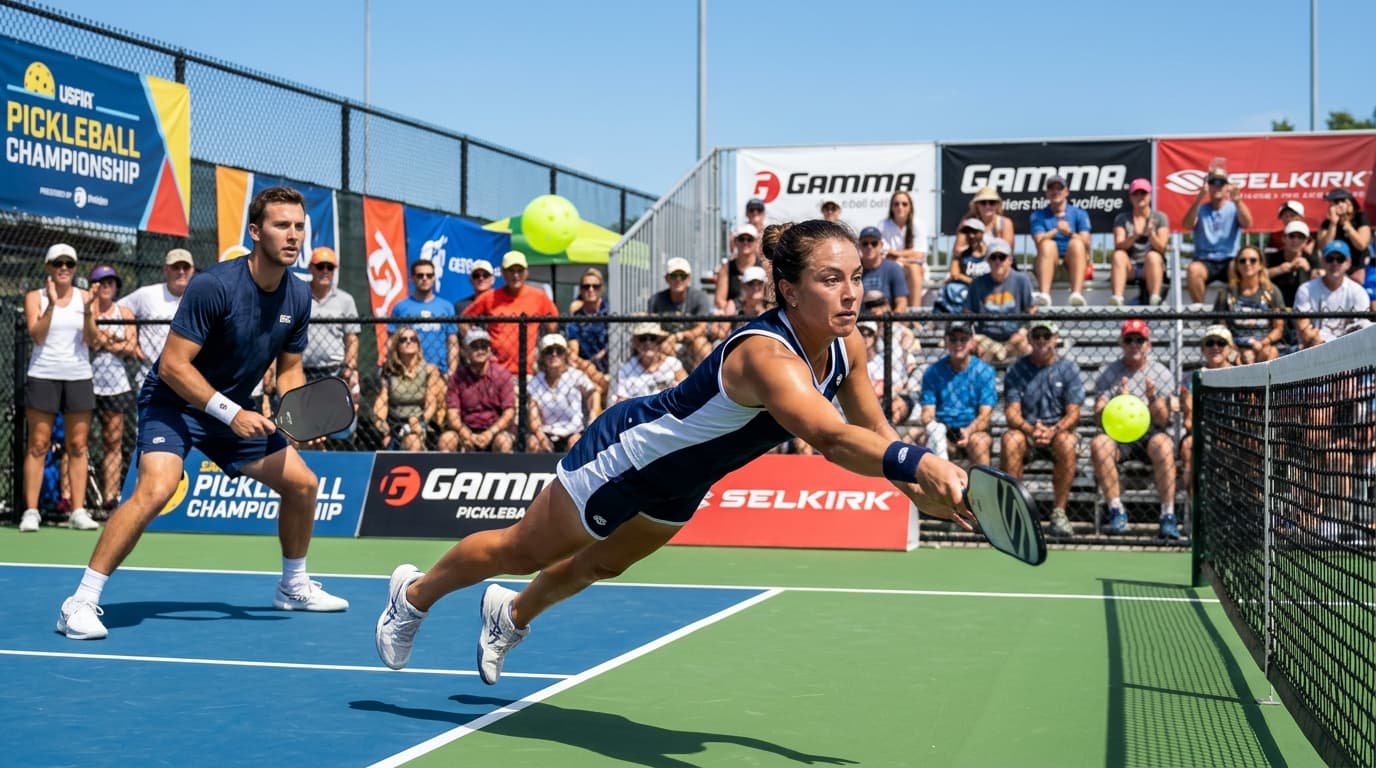
1. Direct Answer: Open Play vs. Tournament Systems
Open Play engines manage dynamic, continuous drop-in sessions with rolling rest queues and flexible player counts. In contrast, Tournament Sessions require deterministic scheduling, fixed team rosters, pre-set bracket seeds (Round Robin, Single/Double Elimination), formal tiebreakers (head-to-head, point differential), and official DUPR reporting.
2. Structural and Algorithmic Differences
Organizers frequently attempt to run competitive tournaments using casual open play apps, or try to force drop-in casual open play into rigid bracket software. Below are the core architectural differences:
Open Play vs. Tournament Dimension Comparison
| Dimension | Open Play Session | Tournament Session |
|---|---|---|
| Player Ingress | Dynamic: late check-ins, early leaves, and bench breaks supported. | Fixed Roster: locked bracket seed entries prior to draw. |
| Court Allocation | Asynchronous: next 4 rested players take any open court immediately. | Deterministic: designated matches assigned to specific courts. |
| Match Outcome | Feeds continuous rating, leaderboard stats, and future rotation weights. | Advances winner along bracket edge; eliminates or pools loser. |
| Scoring Integrity | Casual self-reporting or host desk entry; games to 11 or timed. | Verified electronic sign-off, referee entry, and tiebreakers. |
| DUPR Submission | Aggregated social batch or optional club export. | Verified tournament submission with Sanctioned/Club DUPR event tagging. |
3. Hybrid Tournaments: The Open Play to Playoff Format
Modern clubs increasingly run the Open Play to Playoff Hybrid format: a 90-minute Social Shuffle or Americano pool stage where everyone plays constantly, followed by an automatic seed transition into a single-elimination medal round.
Instead of an organizer spending 25 minutes calculating manual tiebreakers on spreadsheets, PickleLobby computes point differential, head-to-head records, and seed placement in under one second.
4. Handling Disputed Matches and Live Bracket Advancement
When a score is entered incorrectly (such as 11-9 in favor of Team B instead of Team A), primitive bracket tools crash or require wiping the tournament database.
PickleLobby treats match scores as immutable event logs. When an organizer submits a score correction, the engine re-evaluates downstream bracket dependencies non-destructively, updating championship match participants without affecting unlinked matches.
5. When to Choose Open Play vs. Tournament Mode on PickleLobby
Use Open Play Mode when your venue has casual drop-in players arriving over 2 to 3 hours, rotating partners, and focusing on equal court time.
Use Tournament Mode when you have pre-registered teams competing for official placements, entry fee prize pools, or sanctioned DUPR ratings.
Use Hybrid Mode when hosting club nights, corporate events, or weekend mixers that want social variety culminating in exciting championship playoffs.
Launch a Session on PickleLobby.app
Skip the paper clipboards and manual rotation headaches. PickleLobby automates player waitlists, fair match pairings, live court scoreboards, and GCash payments. Free for up to 4 courts.